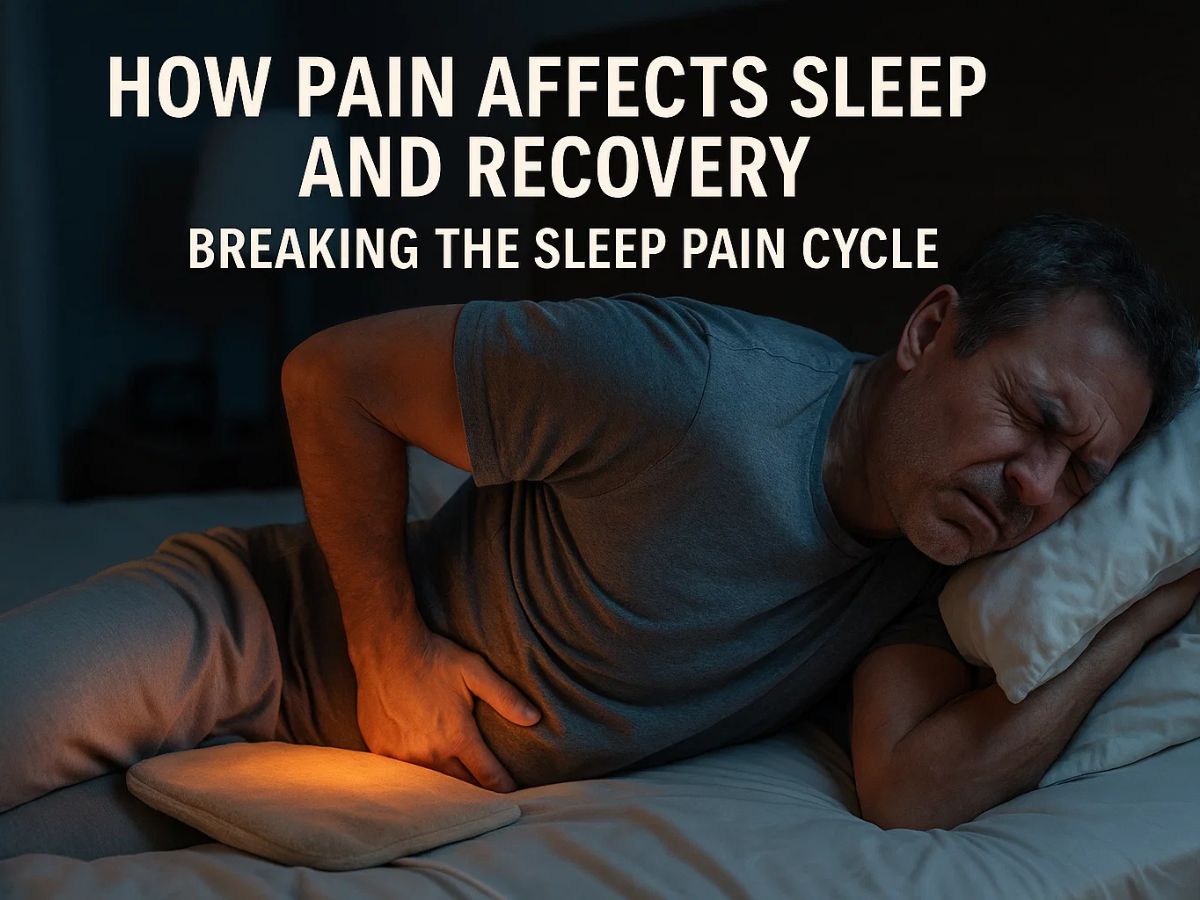
Ever notice how chronic pain keeps you tossing around all night? Then morning hits and everything hurts worse. We’ve seen this pattern thousands of times in our practice. Pain steals your rest. Poor rest cranks up your discomfort. It’s like a mean loop that won’t quit. But here’s the good news we want to share. You can actually break this cycle tonight.
Small changes in your nighttime routine make big differences. Think cooler rooms and softer pillows. Maybe a heating pad on that sore spot. The science backs this up completely. When you fix your sleep, your body gets better at pain management. Your tissues start healing faster during deep sleep phases. Recovery speeds up when you’re actually resting well. We’re going to show you exactly how this works.
How Your Body Talks Back When Pain Won’t Quit
Chronic pain and sleep play a nasty game of tag inside your body. When you hurt, your brain stays alert like a guard dog. It refuses to let you drift into deep rest. Then something worse happens. Your tired body turns up its volume of pain. We see this pattern every single day in our clinic work. Pain management at night becomes harder because your nervous system gets cranky without proper shut eye. Think of it like this: pain pokes sleep, then sleep pokes pain right back. NIH research shows this isn’t just bad luck, it’s real science.
Why Poor Sleep Makes Pain Worse
Stubborn pain and sleepless nights create a vicious circle. When you toss and turn all night, your body can’t reset properly. We’ve seen countless patients trapped in this exhausting loop. Your pain management at night falls apart without quality sleep. Here’s what happens inside your body when sleep gets interrupted.
When Your Body Swells Up Overnight
Poor sleep cranks up inflammation like turning a dial. Your immune system goes haywire without proper rest recovery time. Tiny proteins called cytokines flood your bloodstream during sleepless hours. These troublemakers make your joints ache and muscles throb. Think of inflammation as your body’s alarm system stuck on high. One bad night might not wreck you completely. Your chronic pain levels skyrocket because inflammation never settles down. We tell patients this feels like pouring gasoline on smoldering embers.
Your Pain Dial Gets Extra Sensitive
Sleep loss turns down your body’s natural pain blockers. Your nervous system becomes hyperalert to every tiny sensation. What felt like mild discomfort yesterday now screams at you today. Scientists call this phenomenon “hyperalgesia” but we call it miserable. Your spinal cord processes pain signals differently when exhausted. The pain threshold drops dramatically after just one terrible night. Imagine your pain volume knob stuck on maximum setting. Even gentle touches or normal movements trigger intense reactions.
Healing Grinds to a Halt
Tissue repair slows to a crawl without deep sleep phases. Your body does most regeneration work during specific sleep stages. Growth hormone surges happen primarily between midnight and 3 AM. Miss those precious hours and cellular repair simply doesn’t happen. Damaged muscles stay damaged instead of rebuilding themselves overnight. Inflamed joints can’t cool down and recover properly either. We compare this to trying to renovate a house during business hours. Workers need quiet uninterrupted time to actually fix things correctly. Your cells work exactly the same way during restorative sleep.
Why Pain Breaks Sleep
Your body starts to relax. Then boom a sharp ache wakes you up. Sometimes it’s the throbbing in your back that won’t quit. We’ve seen patients toss and turn for hours because their bedtime pain care just isn’t working. Movement hurts, so you freeze in one position. But staying still makes everything stiffer and more uncomfortable.
Rest recovery becomes nearly impossible when discomfort controls your nights. Here’s what many folks experience but rarely talk about: You wake up more than three times because something hurts. Finding a comfortable spot feels like solving a puzzle with missing pieces. Morning stiffness hits harder than evening sickness ever did. You spend eight hours in bed but feel like you slept two. At Pillmatrix, we understand how frustrating this cycle becomes.
Sleep Matters for Healing
Your body runs a secret repair shop every night. Stubborn pain tries to shut that shop down early. Growth hormone floods your system like a nighttime construction crew. This powerful chemical rebuilds torn tissues and calms angry nerves. Your immune cells patrol for trouble spots. They sweep away inflammation markers that fuel your discomfort. Blood flow increases to sore areas, carrying fresh oxygen and nutrients. All this rest recovery work happens between 11 PM and 3 AM mostly. Miss those hours, and your body skips critical maintenance.
Pain and sleep affect each other. Being in pain can make it harder to rest, and poor sleep can make pain worse. The CDC reports that chronic pain is common in adults and disrupts sleep. The CDC NIOSH blog adds that lack of sleep can slow recovery . In the UK, the NHS explains that good sleep helps reduce pain and supports healing.
Nighttime Pain Management That Really Helps
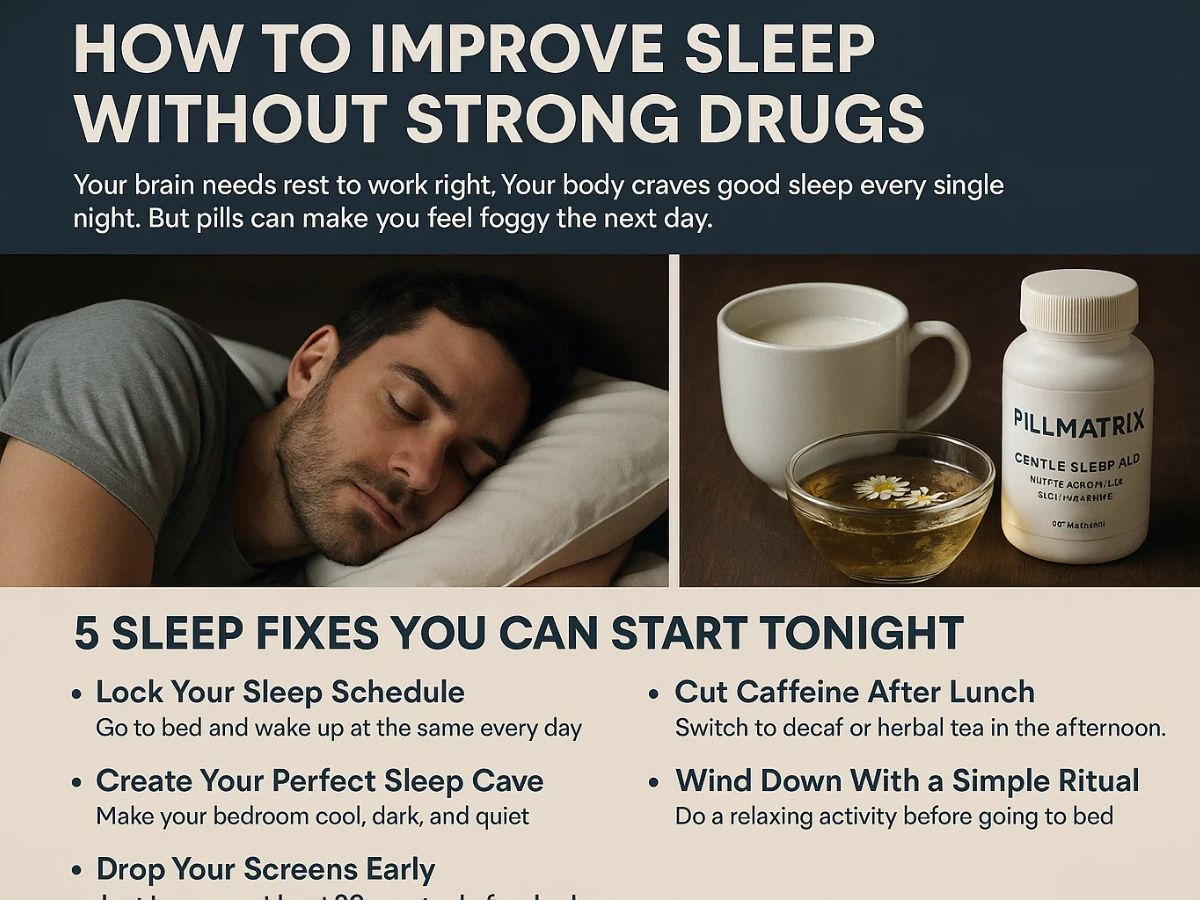
Chronic pain loves to wake you up at 3 AM. We’ve all been there. Your back screams. Your joints throb. Sleep? Forget it. But here’s the truth: pain management at night doesn’t need fancy equipment or expensive programs. Start with your sleep schedule. Go to bed at the same time every night. Yes, even on weekends. Your body craves routine like coffee craves cream. Next, fix your sleeping position. Side sleepers need a pillow between their knees. Back sleepers should tuck one under their knees. This simple trick takes pressure off angry joints and nerves. Heat therapy works wonders 30 minutes before bed. Grab a heating pad for muscle tension. Use ice packs for swelling and inflammation. Follow the 15 minute rule the NHS recommends. Take your pain medicine 60 minutes before sleep if your doctor says it’s okay.
When Medicine Helps and What to Ask Your Doctor
Sometimes chronic pain needs more than pillows and stretches. That’s just reality. Medicine can play a smart role in bedtime pain care when other tricks fall short. Over the counter options work fine for mild aches. Prescription strength becomes necessary when discomfort blocks your rest recovery completely. We’ve seen patients struggle for months before asking their doctor the right questions. Don’t wait that long. Schedule a medication review if your current pills aren’t controlling nighttime symptoms. Ask about timing adjustments too. Some medicines work better when taken before bed. Others cause restlessness if swallowed too late. Your clinician can evaluate whether sleep aids might help alongside pain treatments. This conversation matters more than people realize.
Pillmatrix pharmacy offers trusted product pages you can explore safely. Their platform includes Modafinil for daytime wakefulness support after proper clinician approval. Remember, that medication addresses alertness challenges, not pain itself. Always get prescription guidance first. We recommend bringing a list of current medications to your next appointment. Write down which symptoms bother you most at night. Note how often you wake up hurting.
Chronic pain shouldn’t steal another night from you. We know how exhausting it feels when pain management at night becomes a battle you fight alone. That’s why taking the next step matters so much. Talk to your doctor about what’s keeping you awake. Ask about safe options that fit your life. Check your current medications with a professional who understands your struggle.
Red Flags and When to Get Urgent Help
Pain that lingers can sometimes signal something serious brewing beneath the surface. We’ve seen folks push through warning signs thinking it’s just another bad day. That approach can backfire fast. Your body sends distress signals when pain relief before bed stops working like it should. Listen to those alarms. A sudden spike in symptoms deserves immediate attention from your doctor. Fever combined with your usual aches means infection might be crashing the party. Medications that previously helped but now do nothing represent another red flag waving frantically. We always tell patients to trust their gut instincts about their own bodies. Contact your GP during office hours concerning changes that develop gradually. Head straight to the emergency room when symptoms explode without warning.
We’ve pulled together trusted resources to help with chronic pain and sleep troubles. The NHS offers simple tips on bedtime pain solutions that really work. The CDC blog shares practical advice on safer medication use. You’ll find solid NIH PMC reviews that explain how rest recovery actually happens in your body. The Sleep Foundation has tons of guides written in plain English. They cover everything from pillow positions to bedroom temperature. IASP pain.org provides expert insights without the confusing medical jargon. Pillmatrix pharmacy also hosts educational articles alongside their product pages. These sources won’t bore you to tears.
FAQs
Does chronic pain always ruin my sleep?
Not always, but it happens a lot. Chronic pain wakes many people up at night. Your body sends alert signals when something hurts. These signals keep your brain busy instead of resting. We’ve seen patients sleep better once they start pain management at night. Simple tricks like proper pillows help reduce tossing around. Heat packs before bed can calm angry joints. Cold therapy works great for swelling issues.
Can poor sleep actually make my pain feel worse?
Yes, absolutely and science backs this up completely. When you don’t sleep well, your body gets cranky. Your pain threshold drops lower than usual overnight. That means normal sensations suddenly feel much sharper. Inflammation markers rise when you’re sleep deprived too. Your immune system can’t clean up damaged tissues properly. We notice patients report worse mornings after bad nights.
What’s one quick thing I can try tonight?
Set a firm bedtime and actually stick to it. Your body loves routine more than anything else. We recommend picking 10 PM and making it sacred. Dim your lights 30 minutes before that time. Take any prescribed chronic pain medication at the right hour. Apply heat or ice to your troublesome spots early. Do five minutes of calm breathing while sitting comfortably. Then head to bed without your phone nearby. Keeping your room cool around 65 degrees works best. Use pillows to support achy joints in smart positions. Side sleepers need cushions between their knees for relief.
When should I worry and call my doctor?
Some warning signs always need immediate medical attention. New numbness spreading through your limbs requires urgent evaluation. Fever combined with chronic pain could mean infection brewing. Sudden loss of ability to move normally is serious. Uncontrolled escalating discomfort that won’t respond to usual treatments. Medications completely stopped working overnight without explanation.
Will sleeping pills fix my pain related insomnia problem?
Sleep medications might help but aren’t the complete answer. They work best as part of a bigger strategy. Many people need chronic pain control improved first before rest improves. Over the counter options like melatonin suit some folks nicely. Prescription sleep aids require careful doctor supervision always. Some medications interact badly with pain relievers unfortunately. We’ve observed patients benefit most from combined approaches instead.